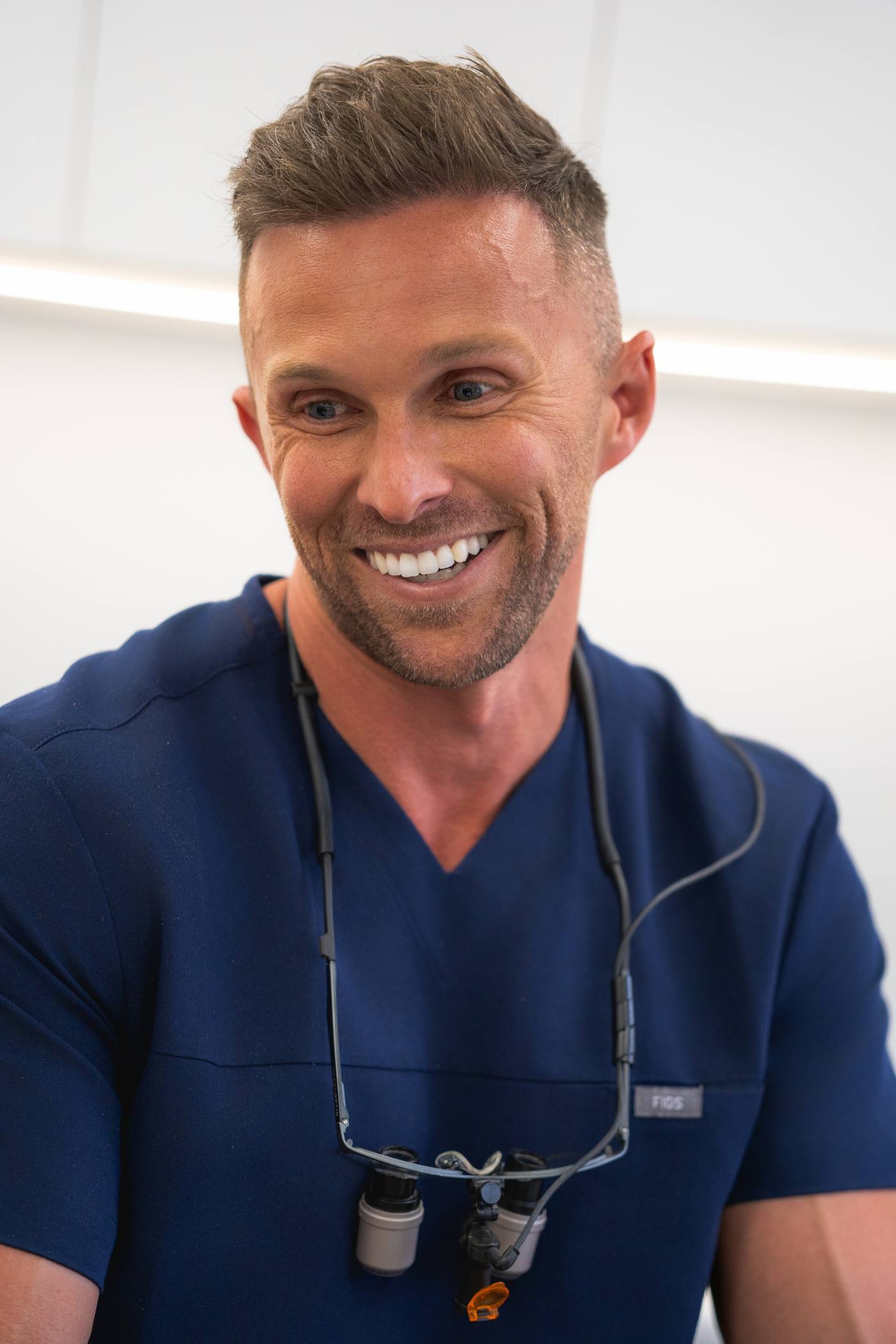
Early, regular visits give children a familiar, low-pressure routine and give your dental team the chance to spot changes while they are still small.
Establishing a dental home by a child’s first birthday gives them a familiar, low-pressure routine before there is ever a problem to fix. Early visits are short, gentle and mostly about looking, counting and getting comfortable — and they give your dental team the chance to spot changes while they are still small.
An early visit typically allows the dental team to:
By booking that first appointment around 12 months, caregivers and clinicians can work together to reduce the risk of early childhood decay and set realistic expectations for growth monitoring in the years that follow.
Supporting parents and caregivers is central to preventive children’s dentistry. During a visit the dental team will usually:
Involving the whole family tends to work better than instructing the child alone, and recall intervals can then be tailored to each child’s individual needs and risk profile.
Professional fluoride varnish helps strengthen enamel at the stages when teeth are newly erupted and most vulnerable, while resin-based fissure sealants form a physical barrier over the deep grooves of back teeth where decay commonly starts. In practice:
Used together and alongside good home care, these preventive measures can reduce the likelihood of decay and may reduce the need for more invasive treatment later on. Whether either is appropriate for your child is a clinical judgement your dentist will make.
Caries risk assessment looks at a combination of factors so that prevention can be personalised rather than generic:
Based on that assessment, your dentist will set a recall interval and adjust preventive measures, which might mean more frequent fluoride varnish or a closer look at home care routines.
Addressing dental anxiety early matters, because a child who is comfortable in the chair is far more likely to keep attending as an adult. Common approaches include:
A welcoming, unhurried environment helps each visit build trust, which in turn reduces anxiety and encourages consistent attendance.
Thumb-sucking, prolonged dummy use and atypical swallowing patterns can influence jaw growth and how the bite develops. Attending to these early can involve:
Addressing these things at the right time can make any later orthodontic treatment, such as clear aligners in the teenage years, more straightforward.
Preventing gum inflammation in children starts with everyday eating habits. The usual advice is to:
Looking at diet, saliva and fluoride exposure together gives a more complete picture than focusing on brushing alone.
Children’s dental care is a long game. Growth monitoring generally includes:
Reviewing regularly means emerging issues can be picked up while they are simpler to manage. It also keeps the door open to protective measures such as a custom sports mouthguard once children start playing contact sport.
Family involvement makes the difference between advice given and advice followed. In practice that means:
Adults benefit too — keeping up your own routine check-ups and cleans models the habit better than any instruction sheet.
Helix Dental is a general and cosmetic dental practice at 2/299 Rio Vista Blvd, Mermaid Waters. Our dentists and oral health therapist see children of all ages and aim to make each visit calm, unhurried and age-appropriate, with fluoride varnish, sealants and risk assessment used where they are clinically indicated rather than as a matter of course.
If you are not sure when to book a first visit, or your child is nervous about coming in, call 07 5572 8969 or email hello@helixdental.com.au and we can talk through what the appointment involves before you commit to anything.
General information only. This page provides general information about dental treatment and is not a substitute for individual clinical advice. Whether any treatment is suitable for you can only be determined by a dentist after an examination. Results and recovery vary from person to person and are not guaranteed.
Any surgical or invasive procedure carries risks. Before proceeding, you should seek a second opinion from an appropriately qualified health practitioner.
Good to know
A common recommendation is by the eruption of the first tooth or by the first birthday, whichever comes first. The visit is short and mostly about familiarisation, plus a baseline look at how the teeth are coming through.
That depends on your child's individual decay risk. Some children have varnish applied every few months, others far less often. Your dentist will recommend an interval after assessing diet, hygiene and decay history.
Sealants are a minimally invasive coating placed over the deep grooves of back teeth to help protect them. Whether they are appropriate depends on how the teeth have erupted and your child's decay risk, and they are checked at each recall.
Gentle habit intervention, positive reinforcement and guidance from your dentist can help discourage prolonged thumb-sucking, generally before around four to five years of age. Your dentist can suggest an approach that fits your child.
Tell-show-do explanations, praise for co-operation and a calm, unhurried environment all help. Booking short, familiarisation-style visits before any treatment is needed is one of the most useful things you can do.
Our Mermaid Waters team can talk you through what to expect on 07 5572 8969 or email hello@helixdental.com.au.
Book a Consult