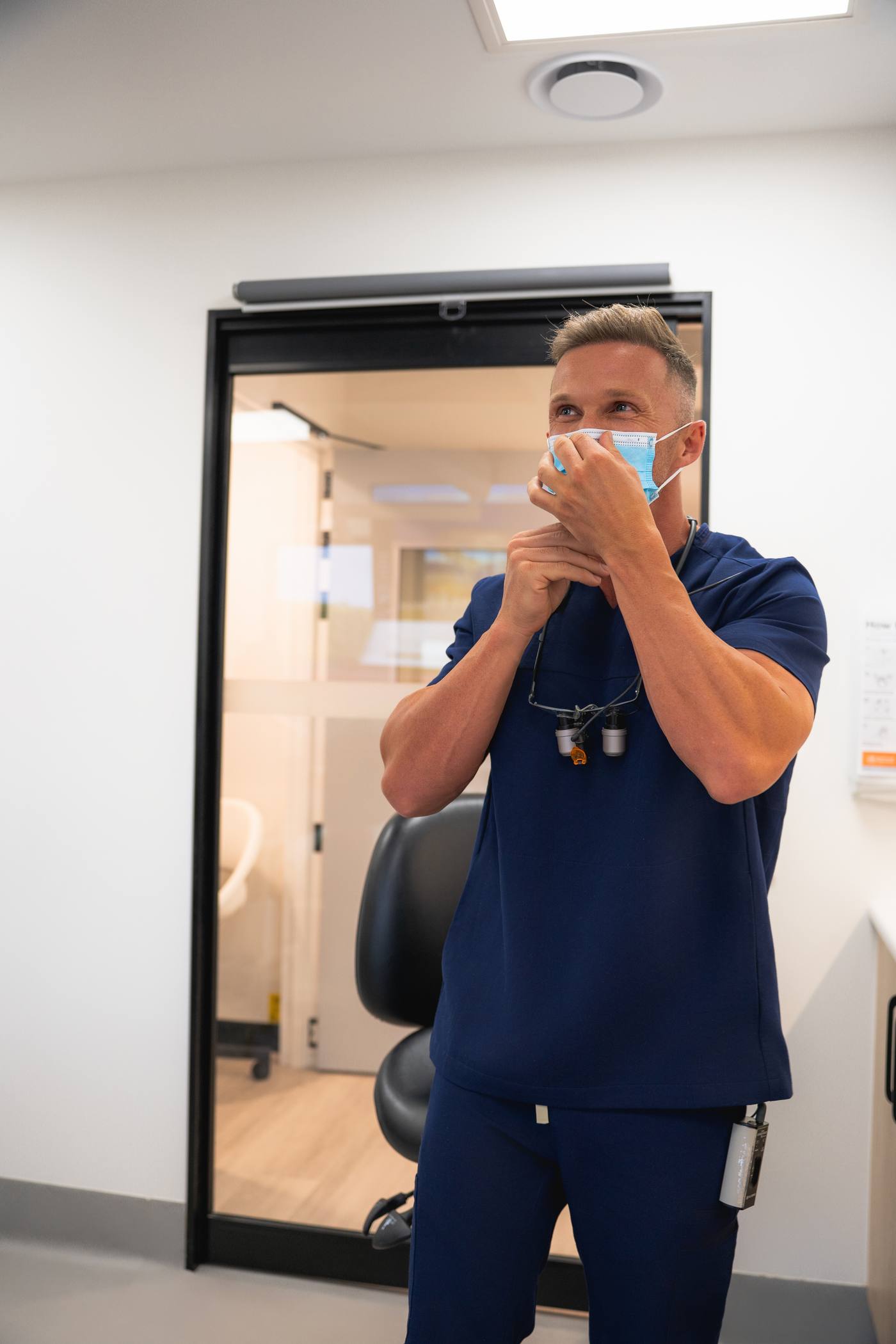
Dental implants are a widely used option in restorative dentistry, providing structural support for crowns, bridges or dentures. Understanding the clinical steps and healing stages can help patients feel better prepared and informed.
Dental implants are a widely used option in restorative dentistry, providing structural support for crowns, bridges or dentures. They are surgically placed into the jawbone and go through a healing process known as osseointegration. Understanding the clinical steps, healing stages, and the expectations throughout the procedure can help patients feel better prepared and informed.
Before the implant placement begins, patients undergo a comprehensive assessment to determine suitability. This typically involves a full dental examination, imaging such as X-rays or 3D scans if clinically required, a review of your dental and general medical history, and the development of an individualised treatment plan based on bone density and oral health. The practitioner will also explain expected outcomes, alternatives to implants, and potential risks or limitations.
The dental implant procedure is typically carried out in stages. During the surgical appointment, local anaesthesia or sedation may be administered if required. The gum tissue is opened to access the jawbone. A small hole is then drilled into the bone to place the implant. Once the implant is in place, the site is closed with sutures. In some cases, a healing abutment or temporary crown may be attached. This procedure is carried out in a controlled clinical or surgical environment under strict hygiene protocols.
Healing time may vary based on individual factors such as bone quality, general health, and adherence to aftercare protocols. The healing process, known as osseointegration, allows the implant to bond securely with the jawbone. Common post-procedure experiences may include localised swelling or bruising near the implant site, and mild discomfort which may be managed with pain relief as advised by your dental professional. A soft diet is often recommended for the initial days, and stitches are generally removed within 7 to 10 days if not dissolvable.
To support optimal healing:
Each patient’s experience is unique. Healing and integration can be influenced by the density and volume of the jawbone, whether procedures like bone grafting or sinus lifting were required, the presence of chronic health conditions, smoking habits, overall oral hygiene, and how well post-operative care instructions are followed. Healing may span several months before moving on to the next phase of treatment.
The process typically begins with an initial consultation where your oral health is assessed. Treatment planning follows, involving diagnostic findings that help shape a tailored approach. During the surgical placement stage, the implant is inserted into the jawbone under local anaesthetic. After this, a healing phase allows the implant to bond with the bone. Once the implant is stable, an abutment (a connecting piece) is fitted to link the implant and the final restoration. The prosthetic phase involves the placement of a crown, bridge, or denture. Ongoing maintenance reviews are recommended to monitor the implant and surrounding tissues.
Timeframes vary between individuals. During the first few days, you may experience mild swelling and sensitivity, and you may be asked to modify your diet. Around one week after surgery, stitches may be removed or checked. Soft tissue healing continues over the next few weeks. Between three and six months post-surgery, osseointegration continues, and bone bonding occurs. After six months, and once healing is considered satisfactory, the restoration phase may begin.
Healing often takes between three to six months, though this may be shorter or longer depending on individual factors such as health, bone quality, and care.
Dental implant placement is a surgical and irreversible procedure, so understanding the potential risks is important in making an informed decision. Temporary swelling or tenderness around the site is common. Discomfort can typically be managed with appropriate pain relief. Infection is uncommon but possible, and if present, may be managed with antibiotics if clinically indicated. Although rare, the implant may not successfully integrate with the bone and might require revision. Nerve sensitivity changes, though also rare, can occur if the implant site is close to nerve pathways. In some cases, gradual changes in gum or bone tissue may occur over time and require monitoring.
Maintaining your dental implant involves consistent oral hygiene and regular dental reviews. It’s advised to brush with a soft-bristled toothbrush, use floss or interdental brushes as directed by your dental professional, attend scheduled check-ups, and promptly report any discomfort or changes. Good hygiene practices, clinician-guided maintenance, and lifestyle habits all contribute to implant success. Individual outcomes vary, and no dental treatment can be guaranteed. Regular reviews with your dentist help monitor stability and function.
At Helix Dental, we are committed to providing a supportive and clinically robust environment for all stages of dental implant treatment. Our experienced team prioritises patient education and transparency, so you are informed about each step of your treatment plan. Whether it is the detailed consultation, implant placement, or ongoing care, our practice applies evidence-based protocols and modern equipment as part of professional and compassionate care. We focus on building long-term oral health through patient-centred approaches, supporting you throughout your dental implant treatment with clear information and ongoing professional care.
Good to know
Healing often takes between three to six months, though this may be shorter or longer depending on individual factors such as health, bone quality, and care.
The procedure is usually carried out under local anaesthesia. Some discomfort may occur after surgery, which may be managed with pain relief as advised by your dental professional.
Not all patients are suitable candidates. A clinical assessment is necessary to evaluate bone structure, oral health, and medical history.
In rare cases, the implant may not bond effectively with the bone. If this occurs, your clinician will assess alternative options or repeat the process.
A soft diet is often recommended for the initial days post-surgery. Over time, most patients return to their usual eating habits.
Routine brushing, interdental cleaning, and regular professional check-ups are important for supporting implant maintenance and gum health.
All dental procedures involve potential risks and benefits. The information provided in this blog is general in nature and should not be taken as medical advice. We recommend that you seek guidance from a suitably qualified health professional before making decisions about your oral health. Where appropriate, you may also wish to consider obtaining a second opinion.
Any images or videos featured are shared with the informed consent of our patients and are intended for educational purposes only. They are not a guarantee of results, as every patient is unique. Treatment outcomes — including recovery, potential complications, and effectiveness — can vary from person to person.
For full information on the risks, limitations and recovery associated with the treatments described on this site, see our treatment risks and disclaimer page.
To learn more about dental implant treatment with our Gold Coast dentists, get in touch on 07 5572 8969 or email hello@helixdental.com.au.
Book a Consult