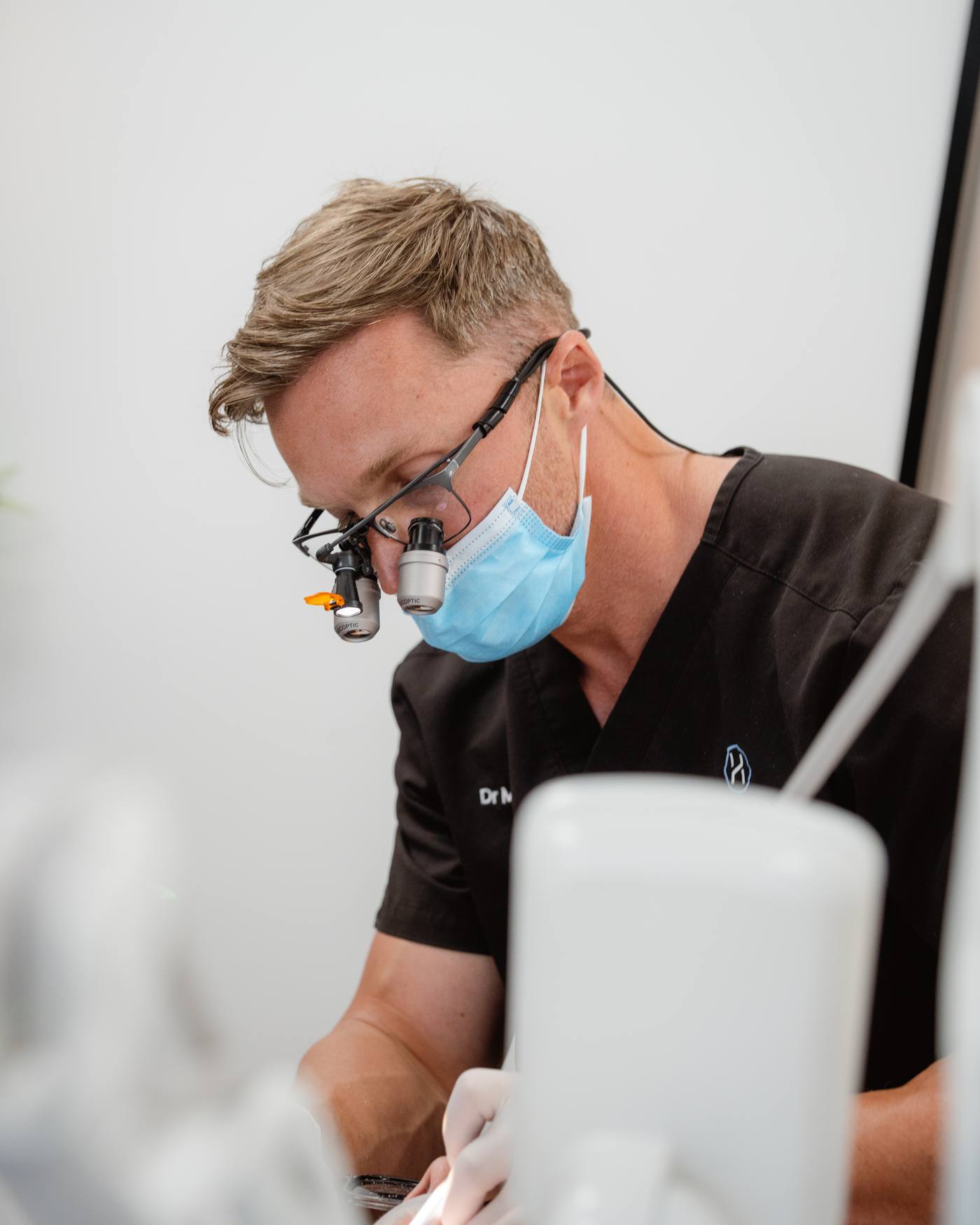
Regular dental check-ups are far more than just an opportunity to get your teeth cleaned — they are a fundamental aspect of preventative healthcare that contributes to your long-term wellbeing.
Regular dental check-ups are far more than just an opportunity to get your teeth cleaned — they are a fundamental aspect of preventative healthcare that contributes to your long-term wellbeing. While brushing and flossing at home are vital for daily hygiene, these practices cannot replace the professional examination, assessment, and care provided by a dentist. When oral health is compromised, the rest of the body can be impacted. By prioritising routine visits, individuals take a powerful step towards maintaining both oral and general health.
The core purpose of a dental check-up is early detection and prevention. Dental professionals use these appointments to assess the condition of your teeth, gums, jaw, and mouth. Early identification of concerns — whether tooth decay, gum disease, or signs of oral cancer — allows for treatment before symptoms escalate. Additionally, regular cleans remove hardened plaque (tartar) that can't be eliminated by brushing or flossing alone.
Benefits of routine dental visits include:
These preventative steps help patients avoid invasive treatments, tooth loss, or complications caused by untreated dental issues. Routine assessments form the backbone of general dental care.
The link between oral health and general health is well established in medical literature. The mouth is often considered the gateway to the body, and bacteria that thrive in the oral cavity can travel into the bloodstream. This can contribute to or exacerbate conditions such as cardiovascular disease, diabetes, and respiratory infections.
When gum disease becomes advanced (known as periodontitis), chronic inflammation can set in. This ongoing inflammation doesn't just damage the gums and supporting bone structures — it also places added stress on the immune system, influencing overall systemic health.
Conditions affected by poor oral health include:
Taking control of your oral health is, therefore, an essential element of protecting your general health.
A typical dental check-up is comprehensive but non-invasive. It is designed to cover all aspects of your oral health, from examining your gums and teeth to looking for signs of underlying problems.
What happens during a routine appointment:
If necessary, your dentist may also discuss treatment plans for any issues identified during the appointment, including decay, tooth wear, or signs of jaw dysfunction.
While regular check-ups are beneficial for everyone, there are groups of people for whom these visits are especially important due to increased risk factors or medical history.
Higher-risk individuals include:
Your dentist will tailor your check-up schedule depending on your specific health status and risk profile.
Oral diseases are often silent in their early stages. Gum disease, for example, may progress without pain, and cavities might not cause discomfort until they've reached deeper layers of the tooth. Early detection allows for simpler, less invasive treatment — and avoids future discomfort, time, and cost.
Untreated issues can lead to:
By attending your check-ups regularly, you can intervene early and protect the natural structure and function of your teeth.
Even those who brush and floss diligently are not immune to the buildup of plaque and tartar. Once plaque hardens into tartar (calculus), it can only be removed by a dental professional.
Scaling and polishing during your check-up remove these deposits, particularly from hard-to-reach areas. This reduces the risk of gingivitis, the first stage of gum disease, and contributes to fresher breath and a cleaner, smoother feel to the teeth.
Why professional cleaning is necessary:
Oral cancer can present in many forms — from discolouration or ulcers to lumps and tissue changes. It can develop silently and without obvious symptoms in the early stages. A dentist is trained to spot subtle signs that could otherwise go unnoticed.
As part of a standard check-up, your dentist will screen for:
Routine screenings contribute to early diagnosis, which is critical to improving treatment outcomes.
Neglecting regular dental visits can allow minor issues to develop into serious concerns that are more difficult to treat. While symptoms might not always be obvious initially, decay or gum disease can progress beneath the surface.
Consequences of avoiding check-ups include:
Delaying care often leads to more complicated and extensive procedures that could have been avoided with earlier intervention.
At Helix Dental, the team is committed to helping patients stay ahead of their oral health with preventive, planned care. The focus is on prevention, going beyond surface-level cleaning to provide thorough assessments, professional treatments, and personalised education. Dental care should be comfortable, empowering, and comprehensive, and the practice provides regular check-ups and ongoing oral health care with that in mind. To learn more about routine examinations and cleans, explore our general dental services.
Good to know
Most people benefit from seeing a dentist every six months, though some individuals may need more frequent visits depending on their oral health status.
Yes. Many dental issues, including decay and gum disease, develop silently. Regular visits support early detection and prevention.
Not always. Dentists will recommend X-rays based on your age, risk factors, and history to monitor areas not visible during a visual exam.
Yes. Dentists can identify signs of systemic conditions like diabetes or oral cancer, and refer you for further evaluation if needed.
Skipping dental visits increases the likelihood of undetected issues progressing. It's best to book an appointment as soon as possible to get back on track.
Yes. While brushing and flossing are crucial, professional cleaning removes tartar that home care cannot, reducing the risk of gum disease and decay.
Disclaimer: All dental procedures involve potential risks and benefits. The information provided in this blog is general in nature and should not be taken as medical advice. We recommend that you seek guidance from a suitably qualified health professional before making decisions about your oral health. Where appropriate, you may also wish to consider obtaining a second opinion. Any images or videos featured are shared with the informed consent of our patients and are intended for educational purposes only. They are not a guarantee of results, as every patient is unique. Treatment outcomes — including recovery, potential complications, and effectiveness — can vary from person to person.
To arrange a routine examination and clean with our Gold Coast dentists, get in touch on 07 5572 8969 or email hello@helixdental.com.au.
Book Your Check-Up